Why Light Commercial HVAC Maintenance Matters
Written by the Flaming Ice Heating & Cooling team
Owner-operated HVAC pros led by Travis, serving Clayton and North Carolina homeowners with honest, hands-on heating and cooling experience. Questions about your system? Call (327) 210-5999.
If you own or manage a small business in Clayton, Garner, Smithfield, or anywhere across the Triangle, your HVAC system is doing a lot more work than the one at your house. A rooftop unit over a busy restaurant or a packaged system serving a retail strip runs longer hours, handles bigger crowds, and faces harsher conditions than residential equipment ever does. When it quits on a 95-degree July afternoon, you're not just uncomfortable — you may be closing early, sending customers home, or losing perishable inventory.
That's the short answer to why light commercial HVAC maintenance matters: it's the difference between a predictable, planned expense and a surprise four-figure emergency at the worst possible moment. Below, we'll walk through what makes commercial systems different, what a real maintenance visit covers, and how to think about scheduling it for a North Carolina climate.
What "Light Commercial" Actually Means
"Light commercial" sits between a home system and the massive equipment you'd find on a hospital or factory. It typically covers small offices, retail shops, restaurants, churches, gyms, daycares, and medical suites — buildings served by equipment in roughly the 3- to 25-ton range, often three-phase and frequently mounted on the roof.
The differences from a residential system aren't just size:
- Runtime. A home AC cycles a handful of times a day. A commercial unit may run nearly continuously during business hours, every day, which accelerates wear on motors, belts, capacitors, and compressors.
- Occupancy and air quality loads. More people, more cooking, more equipment heat, and stricter expectations for fresh-air ventilation mean the system is constantly fighting a heavier load.
- Complexity. Commercial units add economizers, multiple stages, dampers, and rooftop or packaged configurations that a typical homeowner-grade tune-up doesn't address.
Because of all this, commercial equipment is built for serviceability and uptime — but only if someone is actually servicing it. Learn more about how we approach commercial HVAC for local businesses.
Why Maintenance Pays for Itself
It's tempting to treat a unit that's still blowing cold air as "fine." The problem is that the most expensive HVAC failures rarely announce themselves. They build quietly until something gives.
Lower energy bills
A neglected system works harder to deliver the same comfort. Dirty coils, clogged filters, low refrigerant, and worn components all force the equipment to run longer and draw more power. Industry data consistently shows that well-maintained HVAC equipment can cut energy use meaningfully compared with neglected systems — and for a business running rooftop units from May through September in our humid climate, that adds up fast on the utility bill.
Fewer breakdowns and emergency calls
The whole point of preventive maintenance is catching the small stuff before it becomes the big stuff. A weak capacitor, a fraying belt, a slow refrigerant leak, or a partially clogged condensate drain are cheap to fix on a scheduled visit. Left alone, they cause compressor failures, water damage, mold, and total shutdowns. In North Carolina's heat and humidity, capacitors and contactors are among the most common failure points precisely because the equipment runs so hard for so much of the year.
Longer equipment life
Commercial rooftop and packaged units represent a serious capital investment. Consistent maintenance helps them reach — and often exceed — their expected service life, deferring the day you have to write a large check for a replacement.
Healthier air and happier people
Clean filters, coils, and drain pans mean cleaner air for your staff and customers. That matters for comfort, for reducing allergy and respiratory complaints, and for the simple fact that an uncomfortable space drives customers out and drags down employee productivity.
What a Real Maintenance Visit Covers
Not all "tune-ups" are equal. A thorough light commercial visit — especially for a rooftop packaged unit — should include far more than swapping a filter. Here's what a comprehensive seasonal service typically addresses:
On the unit itself
- Filters inspected and replaced or cleaned. Commercial filters often need attention every few weeks, not twice a year.
- Evaporator and condenser coils checked and cleaned so the system can actually transfer heat.
- Refrigerant charge verified — both over- and under-charged systems waste energy and shorten compressor life.
- Electrical components inspected: capacitors, contactors, wiring connections, and amp draws on motors. This is where many seasonal failures originate.
- Belts, bearings, and blower motors checked for wear and proper tension.
- Economizer and dampers tested, since a stuck economizer can quietly run your cooling bill through the roof.
Around the unit
- Condensate drain and pan cleared. A clogged drain is one of the most common causes of water damage and mold in commercial buildings — and pooled water at the base of a rooftop unit is a warning sign.
- Panels, fasteners, and grilles checked for rust or gaps that let in water, debris, or animals.
- Surrounding area cleared of leaves, debris, and obstructions that choke airflow.
Safety and controls
- Thermostat and control calibration so the system runs when it should and rests when it shouldn't.
- Safety devices tested, and for gas heat, burners and heat exchangers inspected before the heating season.
If your system serves multiple zones or multiple units, each one needs its own attention. A single neglected rooftop unit on a multi-unit building can drag down comfort for an entire section of the space. Our HVAC maintenance approach is built to cover all of it without the upsell games.
How Often Should a NC Business Schedule Service?
For most light commercial systems, the gold standard is two professional visits per year: one in spring before the first real cooling demand, and one in fall before you switch to heat. That spring-and-fall rhythm lines up well with North Carolina's seasons — it gets your cooling ready before our brutal, humid summers and your heat ready before the occasional hard freeze.
That said, two factors push some businesses toward quarterly visits:
- Heavy runtime. Restaurants, gyms, and 24-hour operations put far more hours on their equipment and benefit from more frequent checks.
- Air-quality-sensitive spaces. Medical offices, daycares, and salons have stricter cleanliness and ventilation needs.
Between professional visits, your own staff can handle the simplest task: checking and changing filters on schedule. In a dusty or high-traffic environment, that may mean monthly. A clean filter is the single cheapest thing standing between you and a strained system.
The Case for a Maintenance Plan
Rather than trying to remember to call twice a year, most business owners are better served by a maintenance agreement. A plan like our Flame Club keeps your visits on a schedule, typically bundles priority service when something does go wrong, and gives a technician who already knows your equipment a head start on any repair. It turns HVAC from an unpredictable line item into a budgeted one — which is exactly what a small business needs.
Even with the best maintenance, equipment occasionally fails. When it does, response time is everything for a business that can't simply close. That's why we offer same-day and weekend emergency HVAC service, and why we text before we arrive so you're never left guessing.
A Local Approach You Can Trust
Flaming Ice Heating & Cooling is an owner-operated company based right here at 356 N Farm Dr in Clayton. Owner Travis and the team service light commercial systems across Clayton and the greater Triangle, and we built our reputation on honest, no-upsell pricing and showing up when we say we will. We're not going to sell you a new rooftop unit when a $40 part and a cleaning will do.
If you're not sure when your commercial system was last serviced — or you've never put it on a regular schedule — that's the most common situation we see, and it's an easy fix. Reach out through our contact page or call (327) 210-5999, and we'll help you get a maintenance plan in place before the next heat wave or cold snap tests your equipment. A short visit now is a lot cheaper than a closed sign later.
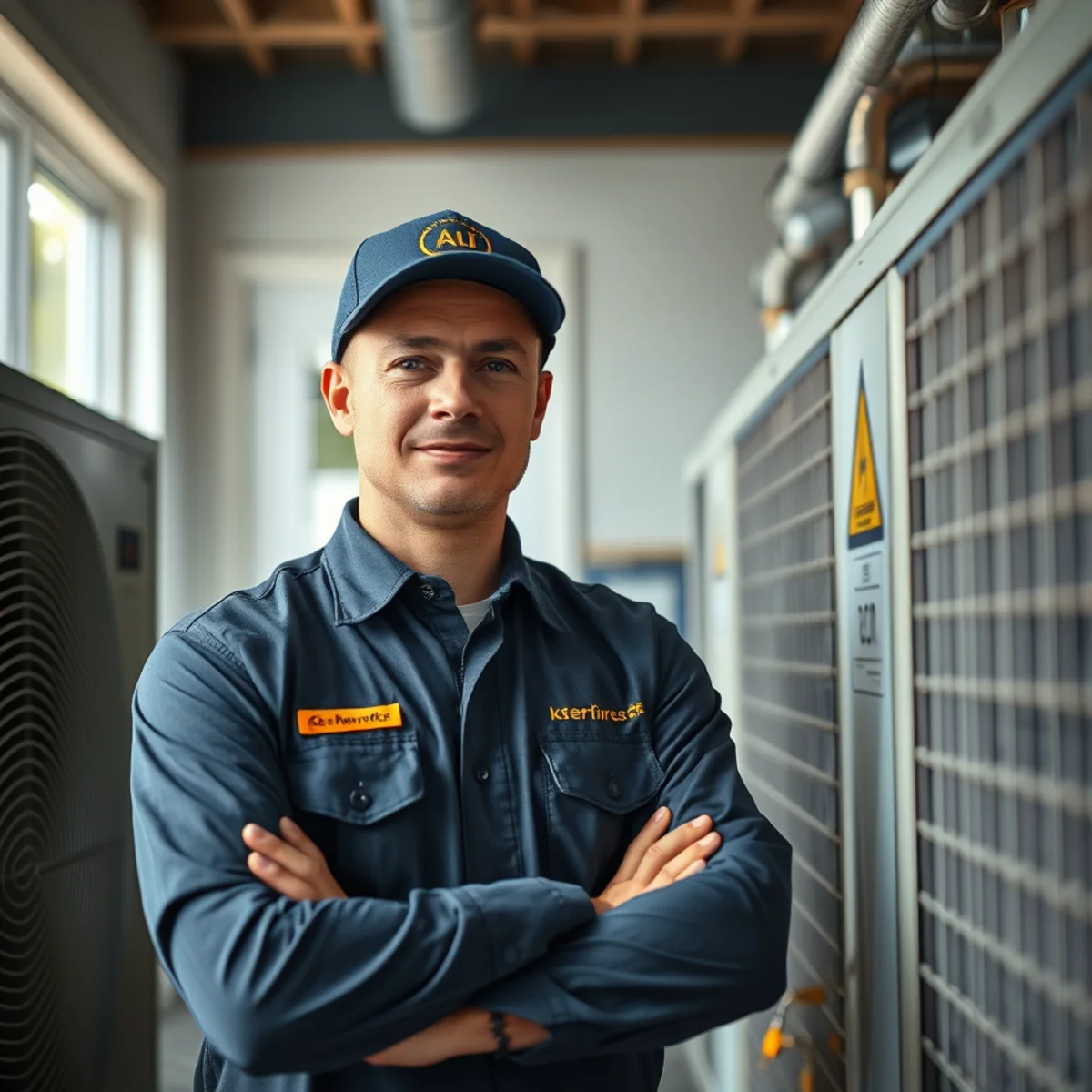
Need a hand from a local HVAC pro?
Flaming Ice Heating & Cooling offers honest, same-day service across North Carolina. Get a straight answer and a fair price.
Call (327) 210-5999Frequently Asked Questions
Most light commercial systems should get two professional visits a year: one in spring before cooling season and one in fall before heating season. High-runtime spaces like restaurants and gyms, or air-quality-sensitive spaces like medical offices and daycares, often benefit from quarterly service. In between, have your staff check and change filters monthly in dusty or high-traffic environments.
Commercial systems run far longer hours, handle higher occupancy, and are more complex, often including rooftop or packaged units with economizers, dampers, and multiple stages. A proper commercial visit covers all of that, plus heavier filter schedules and components like belts and three-phase motors that residential tune-ups don't address.
A thorough visit covers filters, evaporator and condenser coils, refrigerant charge, electrical components (capacitors, contactors, wiring), belts and motors, the economizer and dampers, the condensate drain and pan, control calibration, and safety device testing. For gas heat, it also includes inspecting burners and the heat exchanger before winter.
Yes. Neglected systems use more energy, fail more often, and wear out sooner. Cheap problems caught on a scheduled visit, like a weak capacitor or clogged drain, turn into expensive compressor failures, water damage, and mid-summer shutdowns that can force a business to close early. Preventive maintenance is almost always cheaper than the emergency it prevents.
Yes. Our Flame Club maintenance plan keeps your seasonal visits on schedule and typically includes priority service if something goes wrong. We're owner-operated out of Clayton, serve the greater Triangle, and offer same-day and weekend service with honest, no-upsell pricing. Call (327) 210-5999 or use our contact page to get started.