
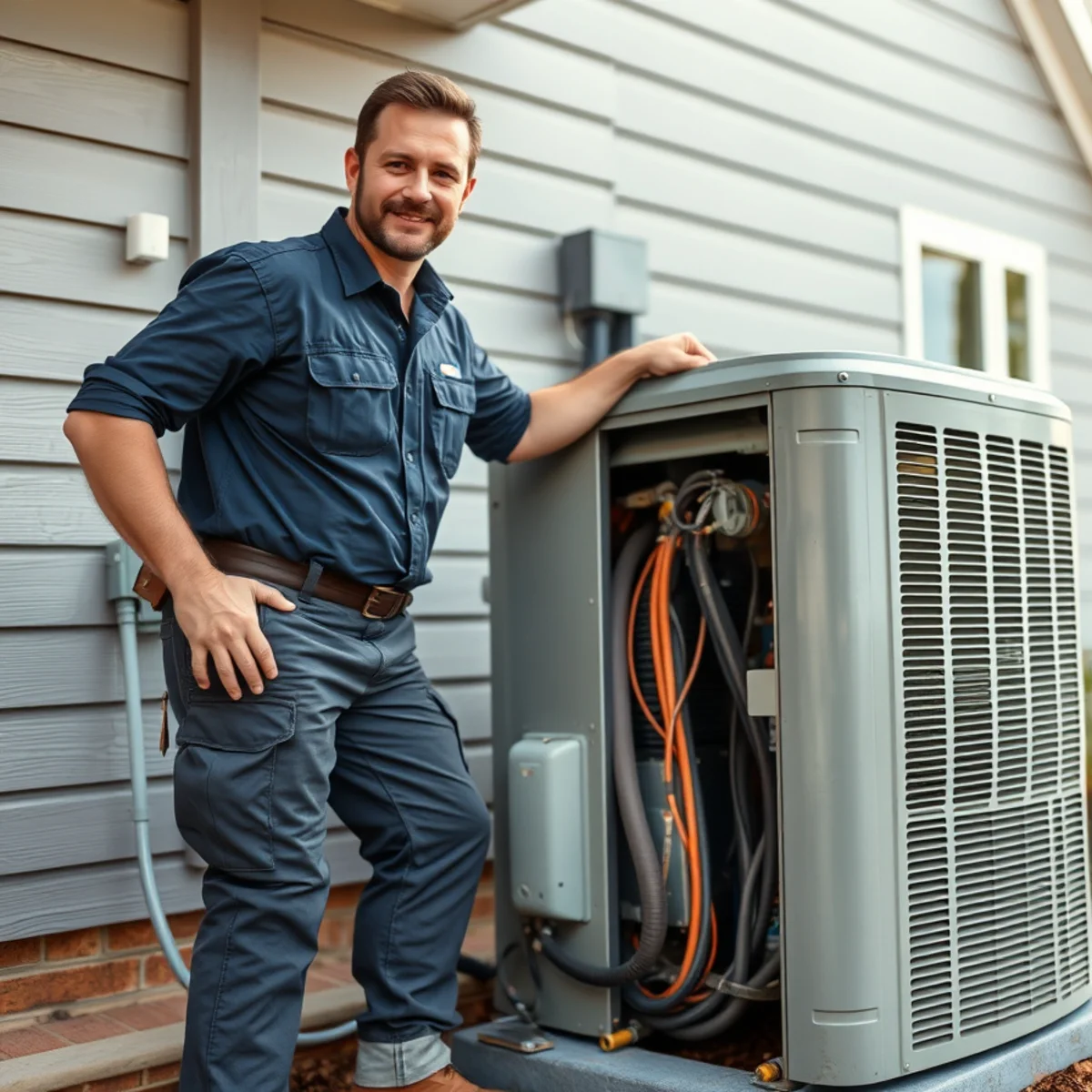
HVAC Replacement
Honest HVAC system replacement when repairs no longer make sense — sized right, priced fair.
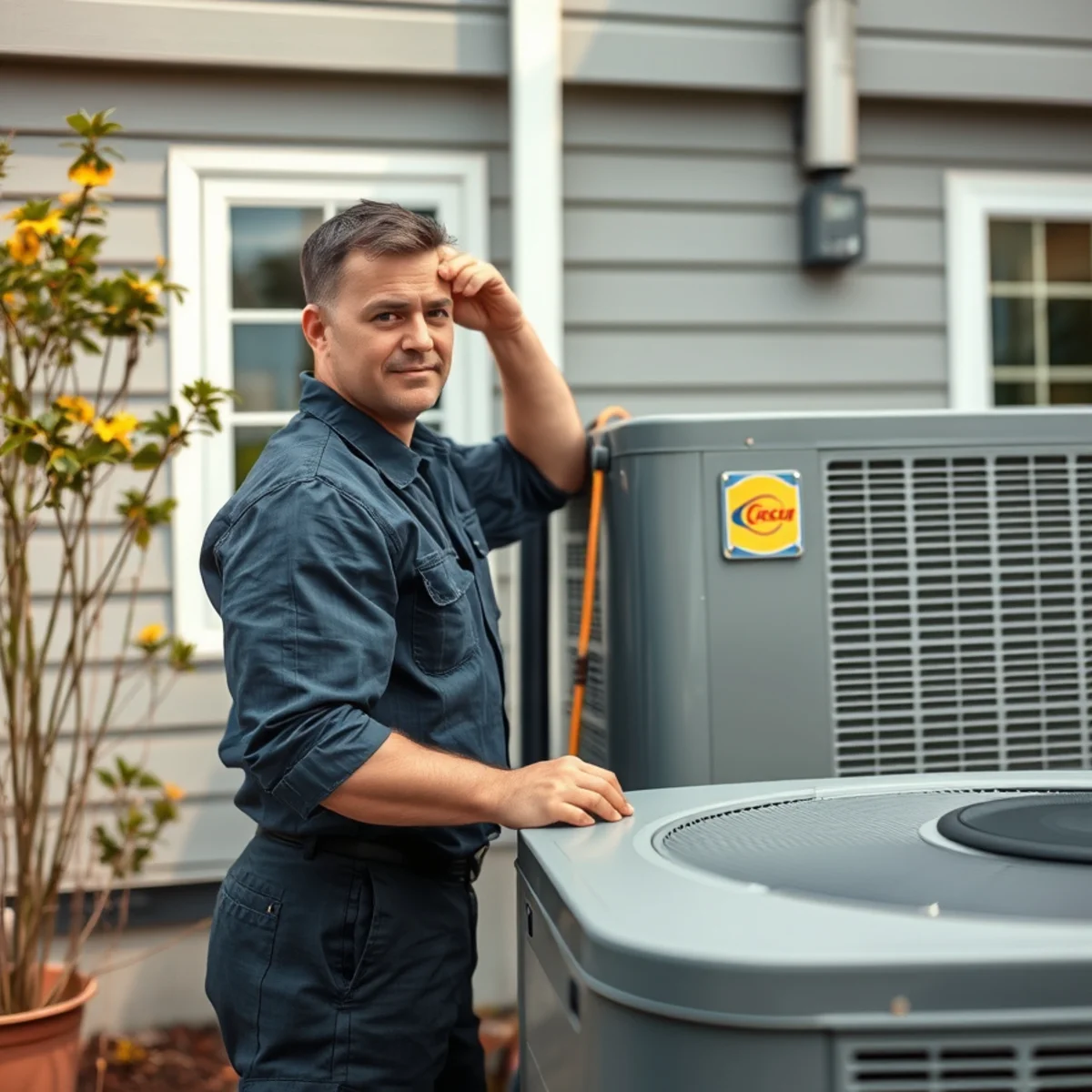
HVAC Replacement
Replacing a heating and cooling system is one of the bigger decisions a Clayton homeowner makes for their house — and it deserves a straight answer, not a sales pitch. At Flaming Ice Heating & Cooling, we treat HVAC replacement as the moment to finally fix the comfort problems your old system never could: the back bedroom that never cools, the summer bills that keep climbing, and the breakdowns that always seem to hit during a July heat wave or a January cold snap.
Our owner and lead tech, Travis, looks at your situation the way he'd look at his own home. If a repair still makes sense, we will tell you. When a full HVAC system replacement is genuinely the smarter long-term value, we show you the numbers, give you a clear written quote, and handle the swap cleanly — texting before we arrive and testing everything before we leave.
This page goes deeper than a quick checklist. Below, we walk through how replacement actually works in North Carolina's climate, how we decide between repair and replace, why correct sizing matters more than brand names, and what you can expect from start to finish.
Quick Takeaways
- A real HVAC replacement usually means matching the outdoor and indoor units as a coordinated system, not swapping one unit onto tired equipment.
- We start with honest repair-vs-replace math — age, repair cost vs. system cost, the failed component, and refrigerant type — so the decision is clear and pressure-free.
- Correct sizing for your specific home matters more than the brand name, and it's what delivers lower bills, even temperatures, and real humidity control in NC's climate.
- Most systems last 12–15 years here; a major component failure or older R-22 refrigerant often tips the scale toward replacing.
- NC homeowners may qualify for rebates and tax credits (Duke Energy Smart $aver, Energy Saver NC, federal credits) that can offset part of the cost.
What HVAC Replacement Actually Means
When people say "HVAC replacement," they don't always mean the same thing. Sometimes it's swapping a single failed unit. More often, in homes around Clayton and the wider Triangle, it means replacing a matched system — the outdoor unit and the indoor unit working together as a pair. For a heat pump home, that's the outdoor heat pump plus the indoor air handler. For a gas home, it's the outdoor air conditioner plus the indoor furnace and coil.
This matching matters. A brand-new outdoor unit bolted to a tired, mismatched indoor unit rarely delivers the efficiency or comfort you paid for. That's why a true HVAC replacement usually addresses the whole system at once — equipment, the connection points, the thermostat, and any obvious airflow problems — so the new setup runs as a coordinated unit instead of two parts fighting each other.
Replacement is also your one clean chance to correct mistakes baked into the original install: a unit that was oversized for the house, ductwork that was never balanced, or a system that simply wasn't built for North Carolina's mix of long, humid summers and short but sharp winters.
How Replacement Works in North Carolina's Climate
Central NC asks a lot of a comfort system. From late spring through early fall, your equipment isn't just lowering temperature — it's pulling humidity out of the air for months at a time. Then a few times each winter, a cold snap drops temperatures into the 20s and your heating has to keep up.
That dual demand is exactly why heat pumps are so common across Clayton, Garner, Smithfield, and the rest of Johnston and Wake County. A heat pump cools in summer and heats efficiently through most of our mild winters, only leaning on backup heat strips during the coldest stretches. When we plan a replacement, we think about both seasons, because a system sized only for peak July heat can leave a home clammy on milder days, and one chosen without a look at winter performance can run up electric bills every time the temperature drops.
Humidity control is the part homeowners notice most after a good replacement. A right-sized system runs longer, gentler cycles that wring moisture out of the air, so your home feels cooler at the same thermostat setting and that sticky, muggy feeling finally goes away.
Repair vs. Replace: How We Help You Decide
This is the heart of an honest replacement conversation. Plenty of contractors jump straight to "you need a new system." We start with the math instead.
The numbers we look at
A few practical guidelines shape the decision:
- Age. Most systems last 12–15 years in our climate. Once a unit is past that window, repairs tend to stack up.
- Repair cost vs. replacement cost. When a single repair approaches half the cost of a new system, replacement is usually the better long-term value.
- The age-times-repair test. Multiply the system's age by the cost of the looming repair. A large number on old equipment points toward replacement; a small number on a well-maintained unit usually means repair still wins.
- The component that failed. A bad capacitor on a 7-year-old unit is a quick fix. A failed compressor or a cracked heat exchanger on aging equipment is a different story.
- Refrigerant type. Systems still running older R-22 refrigerant are expensive to recharge, because R-22 is no longer produced. A leak on one of these often tips the scale toward replacing.
When a repair still makes sense, we say so — that's a regular part of our heating and AC repair work, not a missed sale. We'd rather earn a customer for the next decade than push a replacement you didn't need this week.
Why Correct Sizing Beats Brand Names
Here's something the big-box sales scripts gloss over: the most important factor in how a new system performs isn't the logo on the side — it's whether it was sized and installed correctly for your home.
An oversized system is a surprisingly common problem. It cools the air quickly, shuts off, and never runs long enough to remove humidity, leaving the house cold and clammy with higher bills and more wear from constant on-off cycling. An undersized system runs nonstop and still can't keep up on the worst days.
That's why we do an in-home evaluation rather than guessing from square footage alone. We look at your home's layout, insulation, windows, sun exposure, and ductwork before recommending equipment. Getting the size right is what delivers the efficiency, even temperatures, and quiet operation that a replacement is supposed to buy you.
What to Expect During Your Replacement
We keep the process clear and low-stress from the first phone call to the final walkthrough.
- Honest assessment. We evaluate your current system and give you real repair-versus-replace numbers — no pressure, no scare tactics.
- In-home sizing and a written quote. You get equipment options in plain English and a clear written price with no surprise add-ons.
- Scheduling that works for you. Same-day and weekend appointments are available when comfort can't wait. We text before we arrive.
- Clean removal and installation. We disconnect, remove, and dispose of the old equipment, then install and connect the new system, protecting your floors and workspace throughout.
- Testing and walkthrough. We set up the thermostat, verify airflow and temperatures, and walk you through how everything runs before we leave.
A typical residential changeout is completed in a day. We handle the cleanup, and we don't consider the job done until the system is tested and you understand how to get the best from it.
Value Factors and Available Programs
A replacement's real value isn't just the sticker price — it's what the system costs to run and how reliably it performs over the years you own it. A correctly sized, modern setup generally uses less energy than aging or mismatched equipment, especially across our long cooling season, and it should mean fewer service calls along the way.
Worth knowing: North Carolina homeowners may qualify for rebates and incentives when upgrading to higher-efficiency equipment. Programs such as Duke Energy's Smart $aver rebates, Energy Saver NC resources, and federal energy-efficiency tax credits can offset part of the cost — you may qualify depending on the equipment you choose. We're happy to point you toward what's currently available so you can factor it into your decision.
Local, Owner-Operated, and Built on Trust
Flaming Ice Heating & Cooling is a minority-owned local small business based at 356 N Farm Dr in Clayton, serving Clayton, the Triangle, and communities across North Carolina. With 71 Google reviews behind us, our reputation rests on doing right by neighbors — residential first, with light commercial work too.
When the day comes that another repair isn't worth it, you want a contractor who'll give you the honest version, size the new system for your actual home, and stand behind the work. Ask us about the Flame Club, our yearly maintenance plan that keeps your new system running its best for years to come. When you're ready, contact us or call (327) 210-5999 — we'll give you a straight answer and a fair quote.
Signs You Need This Service
- Your system is 12–15+ years old
- Repair costs are stacking up year after year
- The unit breaks down repeatedly, especially in extreme weather
- Energy bills keep climbing despite repairs
- Rooms never reach a comfortable, even temperature
- Your AC still uses older R-22 refrigerant
- A major component has failed on aging equipment
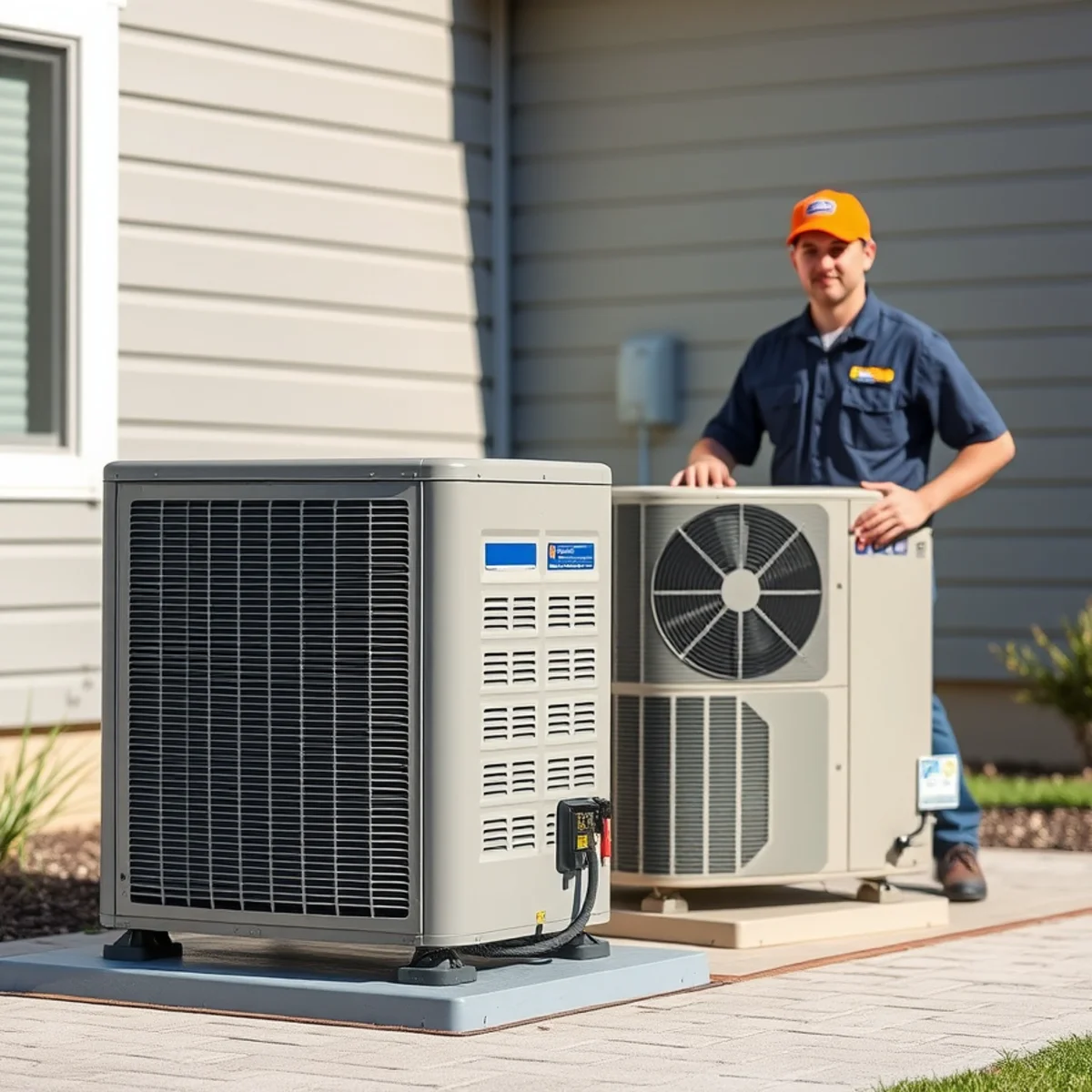
What Our HVAC Replacement Includes
- Honest repair-versus-replace assessment
- In-home evaluation and proper system sizing
- Clear written quote with equipment options
- Removal and disposal of your old system
- Professional installation of new heating and cooling equipment
- Full testing, thermostat setup, and a final walkthrough
Why Choose Flaming Ice
- Honest repair-versus-replace advice, not a push to sell
- Right-sized replacement matched to your home
- Transparent, no-upsell pricing
- Owner-operated local team that respects your home
Owner-Operated Care
You deal with Travis and an accountable local team on every job.
Same-Day & 24/7
Fast same-day and weekend emergency service when comfort can't wait.
Honest, No-Upsell
Clear options and fair pricing — backed by 71 local reviews.
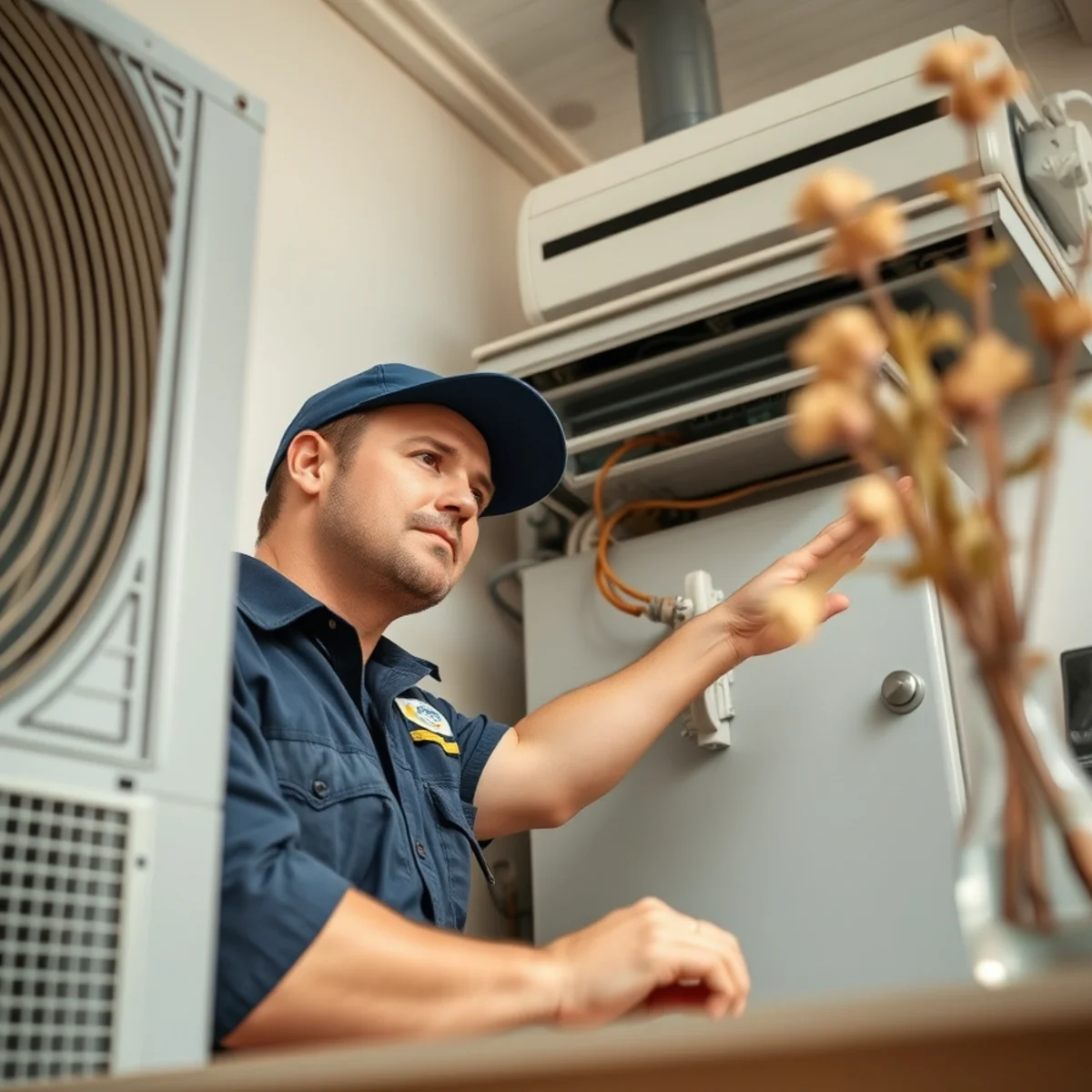
How Our HVAC Replacement Works
- 1Honest diagnosisWe inspect your system and pinpoint the real cause — no guesswork.
- 2Clear options & upfront priceYou see your options in plain English and approve the price before we start.
- 3Clean, careful workWe complete the approved hvac replacement and treat your home with care.
- 4Tested before we leaveWe verify comfort, airflow, and performance, then walk you through it.
Our No-Surprise Pricing Promise
HVAC pricing shouldn't be a mystery. We explain what's going on, lay out your options in plain English, and get your approval before we touch a thing — so the price we quote is the price you pay.
Get an Honest Quote- A clear diagnosis before any work begins
- Upfront, written options — you approve the price first
- No hidden fees and no high-pressure upsells
- Honest repair-vs-replace advice for your budget
Related Services
HVAC Installation
Complete HVAC system installation — heating and cooling sized right for your home and budget.
Learn MoreAC Installation & Replacement
Right-sized air conditioning installation and replacement, quoted honestly with no high-pressure sales.
Learn MoreFurnace Installation & Replacement
Right-sized furnace installation and replacement for gas and electric systems, quoted honestly.
Learn MoreHVAC Replacement Across North Carolina
We bring this service to Clayton and communities throughout the state.
HVAC Replacement FAQs
A typical residential changeout in the Clayton area is completed in a single day. We remove and dispose of the old equipment, install and connect the new system, set up the thermostat, and fully test everything before we leave. If your home needs ductwork or electrical work, we'll explain any added time up front in your written quote.
In most cases, yes. Pairing a new outdoor unit with a tired, mismatched indoor unit rarely delivers the efficiency or comfort you're paying for, and it can shorten the new equipment's life. Replacing them as a matched set lets the system run as a coordinated unit. If your situation is an exception, we'll tell you honestly during the in-home evaluation.
Central North Carolina has long, humid summers and mild winters with only a few hard cold snaps. A heat pump handles both — cooling and dehumidifying in summer, heating efficiently through most of our winter, and leaning on backup heat only during the coldest stretches. That makes it an efficient, year-round fit for most homes in Clayton and the Triangle.
Absolutely — it's one of the most common issues we see. An oversized system cools quickly, shuts off, and never runs long enough to pull humidity out, leaving your home cold but clammy with higher bills. That's why we evaluate your home's layout, insulation, and ductwork in person instead of guessing from square footage.
You may qualify, depending on the equipment you choose. North Carolina homeowners can sometimes use programs like Duke Energy's Smart $aver rebates, Energy Saver NC resources, and federal energy-efficiency tax credits to offset part of the cost of a higher-efficiency upgrade. We're glad to point you toward what's currently available so you can factor it into your decision.
Yes. When your system fails completely and comfort can't wait — especially during a summer heat wave or a winter cold snap — we offer same-day and weekend appointments. We'll get you a clear plan and quote quickly, and we always text before we arrive so you're never left guessing.
Age over 12–15 years, repeated breakdowns, rising bills, uneven comfort, or a major component failure on old equipment are all strong signs. We'll give you honest repair-versus-replace numbers so the decision is clear and pressure-free.
Usually, yes. A properly sized, modern system runs more efficiently than aging or mismatched equipment, especially through NC's long cooling season. We size it correctly so you get the efficiency you're paying for, not just newer parts.
Ready for HVAC Replacement?
Call Flaming Ice Heating & Cooling for hvac replacement in Clayton, NC and across North Carolina.