

Geothermal Heat Pumps
Energy-efficient geothermal heat pump service and installs that tap the stable ground temperature under your NC property.
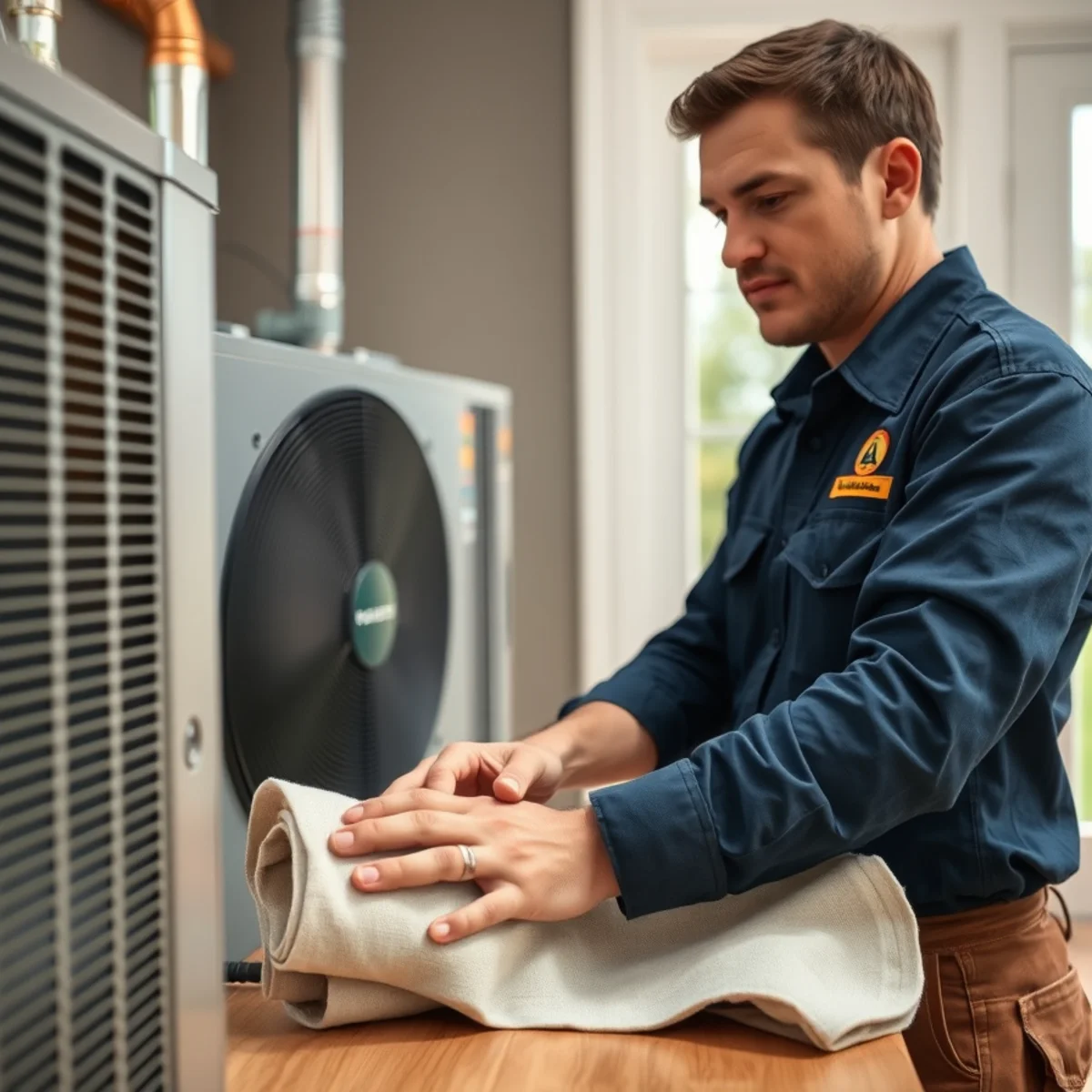
Geothermal Heat Pumps
A geothermal heat pump heats and cools your home by tapping the steady temperature of the earth a few feet beneath your Clayton, NC property. While the air outside swings from a muggy July afternoon to a January cold snap, the ground a few feet down holds a consistent 55 to 65 degrees year-round. That stable baseline is what makes ground source heat pumps the most efficient HVAC system you can put in a North Carolina home.
At Flaming Ice Heating & Cooling, we are an owner-operated, residential-first contractor based right here in Clayton. Travis, our owner and lead tech, believes a geothermal system is only as good as the people who size, install, and service it. We bring honest, no-upsell guidance to every consultation, we text before we arrive, and we are here for same-day and weekend help when you need it.
Whether you are curious about a brand-new geothermal install, weighing it against a standard air-source heat pump, or you already have a ground loop system that needs service, this page walks you through how it all works and what to expect.
Quick Takeaways
- Geothermal heat pumps use the stable 55-65 degree temperature of the ground under your NC property, making them the most energy-efficient HVAC option for Clayton homes.
- North Carolina's soil and climate are an excellent fit, with steady comfort and far less reliance on backup heat during winter cold snaps and strong dehumidification in humid summers.
- Loop choice matters: closed-loop vs. open-loop and horizontal vs. vertical layouts depend on your soil, lot size, and water situation, all of which Flaming Ice evaluates honestly.
- The underground loop often lasts for decades, so when the indoor unit wears out you typically reuse the loop, making a future replacement far cheaper than the first install.
- Flaming Ice is an owner-operated, residential-first Clayton contractor offering honest no-upsell pricing, same-day and weekend service, and texts before arrival.
What a Geothermal Heat Pump Actually Is
A geothermal heat pump, also called a ground source heat pump, is a complete heating and cooling system that moves heat between your home and the earth instead of burning fuel or fighting the outdoor air. There is no flame and no outdoor condenser baking in the summer sun. Instead, a sealed loop of underground piping circulates a water-based fluid that quietly exchanges heat with the soil around your Clayton property.
In winter, the system pulls warmth out of the ground and concentrates it to heat your home. In summer, it runs in reverse, pulling heat out of your house and depositing it back into the cooler earth. Because the ground stays close to 60 degrees no matter what the thermometer reads, the system never has to work as hard as a conventional unit that has to scavenge heat from 20-degree air or dump heat into 95-degree air. That single fact is the engine behind every benefit geothermal HVAC offers.
How Ground Source Heat Pumps Work in North Carolina's Climate
North Carolina is genuinely well suited for geothermal. Our soil across Johnston County and the Triangle holds and moves moisture well, which helps the ground loop transfer heat efficiently. Just as importantly, our climate is a perfect match for the technology. We swing between humid, heat-heavy summers and short but real winter cold snaps, and a standard air-source heat pump loses efficiency at both extremes. A geothermal unit does not. It pulls from that stable underground reservoir, so a frigid morning in January feels no different to the system than a mild day in October.
That stability is why ground source systems can use dramatically less energy than electric resistance heat or older air-source equipment, often cutting heating and cooling energy use by a large margin. For NC homeowners, the practical payoff is steadier comfort, far less reliance on backup auxiliary heat during cold snaps, and excellent dehumidification through our sticky summers, since the system manages latent humidity well while it cools.
Closed-Loop vs. Open-Loop Systems
Most homes we work with use a closed-loop system, where a sealed run of high-density polyethylene pipe circulates fluid that never touches the soil directly. Closed loops are durable, low-maintenance, and well-proven. An open-loop system instead draws water from a well, passes it through the heat pump, and discharges it. Open loops can be very efficient where there is a strong, clean groundwater supply, which is common on some rural Johnston County properties with existing wells, but they require the right water conditions and proper discharge. We will tell you honestly which approach fits your site.
Horizontal vs. Vertical Loop Fields
The other choice is how the loop is buried. A horizontal loop is trenched a few feet down across the yard and is usually the more affordable option when you have the lot size for it, which many homes around Clayton and the surrounding county do. A vertical loop uses deep bored holes and takes up very little surface area, making it the answer for tighter lots or properties where you would rather not disturb a large area of landscaping. Soil, lot dimensions, and your long-term plans all factor into the recommendation.
Common Scenarios That Bring Homeowners to Geothermal
People reach out to us about geothermal for a handful of recurring reasons. Some are building a new home and want the most efficient system from day one. Others are facing a full system replacement on an aging air-source heat pump or an old fuel furnace and want to know whether geothermal is worth the larger upfront step. Many are simply tired of high summer electric bills, uneven comfort, or a system that leans hard on expensive backup heat every time a cold front rolls through. And some already own a geothermal system, inherited it with a home purchase, and need a contractor who actually understands ground loops to service it.
Our Diagnostic and Installation Process
For service calls on an existing geothermal system, Travis starts with a real diagnosis, not a guess. Ground source systems have the same indoor heat pump components as conventional units, plus the loop field and circulating pumps, so we check refrigerant charge, the desuperheater if you have one, loop pressure and flow, the circulator pumps, and the controls. We find the actual fault before quoting any repair, and we explain it in plain English.
For a new install, the process starts with a proper load calculation. Sizing matters more on geothermal than almost anywhere else in HVAC, because both an undersized and an oversized system will cost you comfort and efficiency. From there we evaluate your lot, soil, and water situation to recommend the right loop type, lay out the loop field, install and pressure-test the ground loop, set the indoor unit, and commission the system so it runs the way it was designed to.
Repair, Replace, or Upgrade: How to Decide
A well-installed geothermal ground loop is the long-lived part of the system, often performing for decades, while the indoor heat pump has a service life closer to that of conventional equipment. That distinction is good news. When the indoor unit eventually wears out, you typically reuse the existing loop field, which is the most expensive part of the original project, so a second-generation replacement is a fraction of the first install. If you have an aging geothermal system, we will give you a straight answer on whether a targeted repair makes sense or whether replacing the indoor unit is the smarter long-term move. We do not upsell you into a new system you do not need.
Value Factors and Incentives, Without the Hype
Geothermal asks for a larger upfront investment than a standard system, mostly because of the loop installation. In return, it delivers the lowest operating costs in residential HVAC and equipment that tends to last. When we talk value, we look at your real energy use, how long you plan to stay, and the comfort problems you are trying to solve, not a generic sales pitch.
There are also programs worth exploring. Depending on the year and your situation, you may qualify for utility efficiency programs like Duke Energy Smart $aver, state resources through Energy Saver NC, or federal energy incentives. Incentive rules change, so we encourage you to confirm current eligibility with a tax professional rather than taking any contractor's word for a dollar figure. We will never invent a number to close a sale.
Why Clayton Homeowners Call Flaming Ice
We are a minority-owned local small business serving Clayton, the Triangle, and across North Carolina, with 71 Google reviews from neighbors who appreciate that we show up, communicate, and price honestly. We offer same-day and weekend emergency service, we text before we arrive, and our real Flame Club maintenance plan keeps your system tuned year after year. If you want to talk geothermal with someone who knows NC heat, humidity, and cold snaps, contact us or call. You can also explore our other heat pump services and what we cover across Clayton, NC.
Signs You Need This Service
- Your geothermal system isn't heating or cooling like it used to
- Rising energy bills from an aging conventional system
- You're planning new construction and want maximum efficiency
- Uneven loop performance or short cycling
- You want the lowest long-term operating cost available

What Our Geothermal Heat Pumps Includes
- Geothermal system diagnostics and repair
- Heat pump and loop performance evaluation
- Honest cost-vs-savings guidance
- Refrigerant and electrical checks
- Final performance verification
Why Choose Flaming Ice
- Straight answers on whether geothermal fits your home
- Owner-operated, no high-pressure sales
- We text before we arrive and respect your home
Owner-Operated Care
You deal with Travis and an accountable local team on every job.
Same-Day & 24/7
Fast same-day and weekend emergency service when comfort can't wait.
Honest, No-Upsell
Clear options and fair pricing — backed by 71 local reviews.
How Our Geothermal Heat Pumps Works
- 1Honest diagnosisWe inspect your system and pinpoint the real cause — no guesswork.
- 2Clear options & upfront priceYou see your options in plain English and approve the price before we start.
- 3Clean, careful workWe complete the approved geothermal heat pumps and treat your home with care.
- 4Tested before we leaveWe verify comfort, airflow, and performance, then walk you through it.
Our No-Surprise Pricing Promise
HVAC pricing shouldn't be a mystery. We explain what's going on, lay out your options in plain English, and get your approval before we touch a thing — so the price we quote is the price you pay.
Get an Honest Quote- A clear diagnosis before any work begins
- Upfront, written options — you approve the price first
- No hidden fees and no high-pressure upsells
- Honest repair-vs-replace advice for your budget
Related Services
New Construction HVAC
HVAC design and installation for new homes and additions in the Clayton area — sized right from the start.
Learn MoreEnergy Efficiency & Home Comfort Assessment
A plain-English home comfort assessment that finds why your bills are high and your rooms feel uneven — and how to fix it.
Learn MoreGeothermal Heat Pumps Across North Carolina
We bring this service to Clayton and communities throughout the state.
Geothermal Heat Pumps FAQs
It exchanges heat with the ground, which stays around 55 to 65 degrees year-round under your property. In winter it pulls warmth from the earth to heat your home, and in summer it moves heat from your home back into the cooler ground. Because it never has to fight extreme outdoor air, it stays efficient through both NC's humid summers and winter cold snaps.
For many homeowners, yes. Geothermal asks for a larger upfront investment, mostly for the ground loop, but it delivers the lowest operating costs in residential HVAC and long-lasting equipment. Whether it pays off depends on your energy use, how long you plan to stay, and the comfort issues you want to solve. Travis will give you an honest assessment, not a sales pitch.
A closed-loop system circulates fluid through sealed underground piping that never touches the soil, and it is the most common, low-maintenance choice. An open-loop system draws water from a well, runs it through the heat pump, and discharges it, which can be efficient where there is a strong, clean groundwater supply. We recommend the right one based on your site and water conditions.
The underground loop is the long-lived part and often performs for decades, while the indoor heat pump has a service life closer to conventional equipment. The big advantage is that when the indoor unit eventually wears out, you usually reuse the existing loop, so your next system costs far less than the original install.
There may be. Depending on the year and your situation, you might qualify for utility programs like Duke Energy Smart $aver, state resources through Energy Saver NC, or federal energy incentives. Incentive rules change, so we always recommend confirming current eligibility with a tax professional rather than relying on any contractor's promised dollar figure.
Yes. Many homeowners inherit a geothermal system with a home purchase and need a contractor who understands ground loops. We diagnose the indoor heat pump components plus loop pressure, flow, and circulator pumps, then explain the real issue in plain English before recommending any repair.
Call us at (327) 210-5999 or reach out through our contact page. We are based at 356 N Farm Dr in Clayton and serve Clayton, the Triangle, and across North Carolina. We text before we arrive and offer same-day and weekend service when you need it.
For the right home, yes. NC's hot summers and cold snaps both play to geothermal's strengths, and the underground loop delivers efficiency a standard system can't match. The upfront cost is higher, so we'll give you an honest payback estimate before you decide.
Ready for Geothermal Heat Pumps?
Call Flaming Ice Heating & Cooling for geothermal heat pumps in Clayton, NC and across North Carolina.