
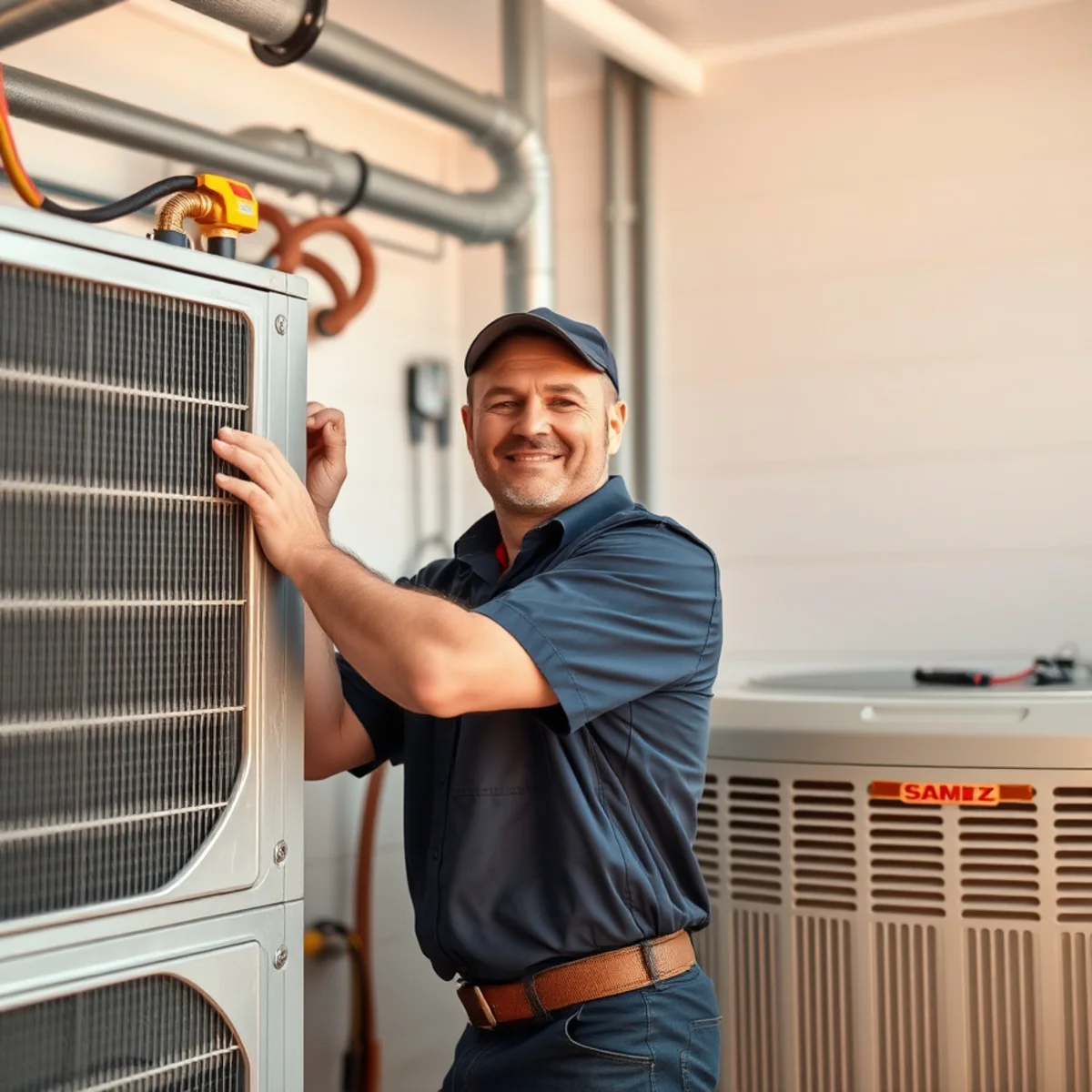
Evaporator Coil Repair & Replacement
Diagnosing and fixing the indoor coil where your AC actually pulls heat and humidity out of the air.
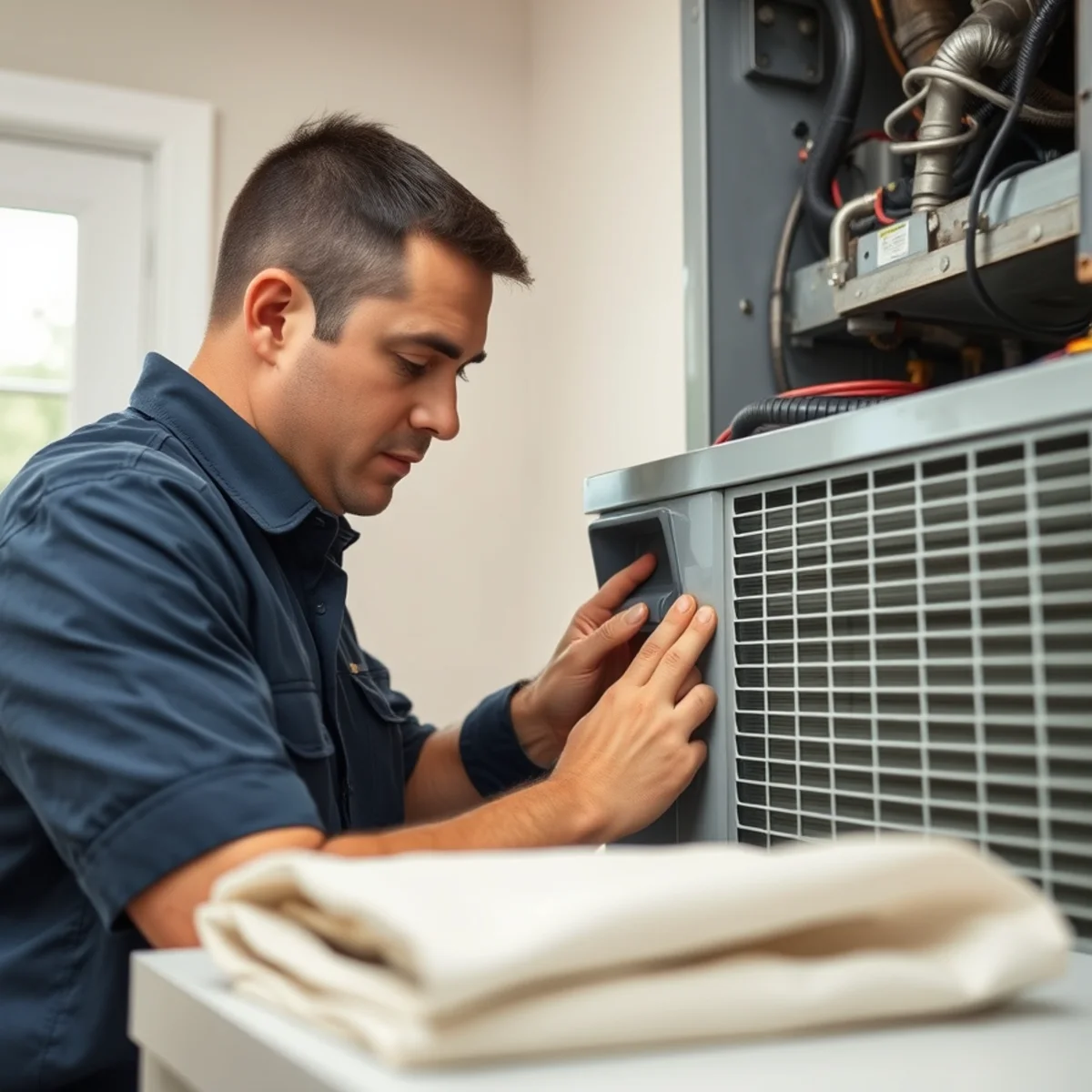
Evaporator Coil Repair & Replacement
Your evaporator coil is the quiet workhorse of your air conditioner. Tucked inside your indoor unit, it's where your system actually pulls the heat and sticky humidity out of your home's air. When it starts to fail, you usually don't see the coil itself. You feel it: weaker airflow, rooms that won't cool, a system that runs and runs, or ice where there shouldn't be any.
At Flaming Ice Heating & Cooling, we diagnose and fix evaporator coil problems for homeowners across Clayton and the wider Triangle every cooling season. Owner and lead tech Travis built this company on honest, no-upsell answers, and a leaking or failing coil is exactly the kind of repair where straight talk matters most.
This page goes deeper than a quick checklist. We'll walk through what the coil does, why coils fail in North Carolina's humid climate, how we actually diagnose the problem, and how we help you decide between repairing the coil, replacing the coil, or replacing the system. When you're ready, call us at (327) 210-5999.
Quick Takeaways
- Your evaporator coil is the indoor part of your AC that removes both heat and humidity, so a failing coil leaves your Clayton home warm, clammy, and expensive to cool.
- North Carolina's humidity drives the two most common coil failures: refrigerant leaks from formicary (pinhole) corrosion and frozen coils caused by low refrigerant or restricted airflow.
- We diagnose the real cause first, checking airflow, refrigerant pressures, and leak location, instead of defaulting to a costly replacement.
- Repair vs. replace depends on system age, leak severity, and the R-410A-to-R-454B refrigerant transition; we explain every option honestly with no upsell.
- Flaming Ice is an owner-operated Clayton business offering same-day and weekend service. Call (327) 210-5999.
What the Evaporator Coil Actually Does
Inside your indoor air handler or furnace cabinet sits a set of copper tubes wound through thin aluminum fins: your evaporator coil. Cold, low-pressure refrigerant flows through it. As your blower pushes warm household air across the fins, the refrigerant absorbs that heat and carries it outside to the condenser. That heat transfer is the whole reason your AC cools.
The coil does a second job that matters a lot here in central North Carolina: it pulls moisture out of the air. Warm, humid air hitting the cold coil condenses, just like a glass of iced tea sweats on a July afternoon. That water drips into a pan and out the condensate drain. A healthy coil is why your home feels crisp instead of clammy. When the coil struggles, you'll often notice the humidity before you notice the temperature.
Because the evaporator coil handles both heat and moisture, a problem here ripples through your entire system. A weak coil makes the compressor work harder, drives up your power bill, and can leave you uncomfortable even while the unit runs nonstop.
Why Evaporator Coils Fail in North Carolina
Clayton summers are long, hot, and humid. That climate is hard on indoor coils for a few specific reasons.
Refrigerant Leaks and Formicary Corrosion
The most common serious coil failure is a refrigerant leak. Modern coils use thin copper, and over years of exposure to indoor air they can develop a problem called formicary corrosion. Everyday household sources, cleaning sprays, air fresheners, new carpet and paint, and other volatile organic compounds, combine with the constant condensation on the coil to form mild acids. Those acids tunnel microscopic, ant-trail pinholes through the copper. The result is a slow refrigerant leak that's almost impossible to patch reliably because the leaks usually appear in clusters.
A leaking coil starves the system of refrigerant. You'll see weak cooling, longer run times, higher bills, and sometimes a hissing or bubbling sound. Low refrigerant also sets the stage for the next problem on this list.
Frozen Coils
A coil that ices over is one of the most common calls we get during a Clayton heat wave, and it's counterintuitive: your AC is freezing precisely because it can't cool properly. When airflow drops or refrigerant runs low, the coil gets too cold, and our humid air condenses on it and freezes into a block of ice. That ice blocks airflow even further, and the problem snowballs.
The usual culprits are a clogged air filter, a dirty coil, a failing blower, blocked return vents, or low refrigerant from a leak. If you've spotted ice on your indoor unit or the copper line, turn the system off and let it thaw, then call us. Running a frozen system can damage the compressor, which is a far costlier repair than the original cause.
Dirty Coils and Drainage Issues
Even without a leak, a coil caked in dust and biofilm can't transfer heat efficiently. Our humidity also keeps the coil and drain pan damp for months, which encourages mold and algae that can clog the condensate drain and cause water damage or shut-offs. Regular cleaning is one of the simplest ways to extend a coil's life.
How We Diagnose a Coil Problem
Plenty of homeowners are told they need a new coil after a five-minute look. We don't work that way. Travis and the team isolate the real cause before quoting anything, because the fix for a frozen coil from a dirty filter is very different from the fix for a corroded, leaking coil.
A typical evaporator coil diagnosis at your Clayton home includes:
- A full system check, not just the coil. We look at the filter, blower, airflow, and the outdoor unit, because coil symptoms often start elsewhere.
- Refrigerant pressure and temperature readings. We measure superheat and subcooling to tell whether the system is properly charged or losing refrigerant.
- A targeted leak search. If pressures point to a leak, we use electronic detectors and, when needed, nitrogen or dye to pinpoint exactly where refrigerant is escaping, confirming the coil rather than guessing.
- An honest verdict. We tell you what failed, why, and what your real options are, including the option to do nothing yet if the system can safely limp through.
Because we text before we arrive and explain findings in plain English, you're never left wondering what we did or why. That transparency is the reason so many of our 71 Google reviews mention trust.
Repair the Coil, Replace the Coil, or Replace the System?
This is the decision that matters most, and it's where an honest contractor earns their keep. There's no single right answer. It depends on a few factors we'll walk through with you.
When a Repair Makes Sense
Some coil-related issues are genuine repairs, not replacements: a clogged filter starving airflow, a dirty coil, a blocked condensate drain, or a failed metering device. If the coil itself is sound and the problem is around it, we fix the actual cause and you're back in business.
True coil leaks are harder. A single, accessible leak can sometimes be repaired, but formicary pinholes usually come in clusters, and a patched coil often leaks again within a season. We'll tell you honestly when a repair is a fair gamble and when it's just throwing good money after bad.
When Replacing the Coil Is the Right Call
If the coil is corroded or leaking and the rest of your system is relatively young and in good shape, replacing just the coil can be the smart, cost-effective move. A new, properly matched coil restores full cooling and dehumidification and can come with its own parts warranty.
When It's Time to Think About the Whole System
Age is the deciding factor. If your AC is in the 10-to-15-year range, a major coil failure is often the moment to weigh a full system replacement. A few realities make this especially true in 2026.
First, refrigerant. The industry has moved away from R-410A to newer A2L refrigerants like R-454B. Existing R-410A systems are grandfathered and can run for years, and R-410A is still available for service, so there's no need to panic. But you generally can't bolt a new-refrigerant coil onto an old-refrigerant condenser; the pressures, oils, and components don't match, and mixing them voids warranties. That means a coil for an aging system needs to match what you already have.
Second, the matched-system principle. A coil and condenser are engineered to work together. Pairing a brand-new coil with a worn, mismatched condenser can leave you with poor efficiency and a coil whose warranty depends on a matched setup. When the condenser is also near end of life, replacing the whole AC system often delivers better comfort, lower bills, and full warranty coverage for a similar total spend.
We lay all of this out plainly, no scare tactics, and let you choose. If a repair gets you another few good summers, we'll say so.
What to Expect and What Affects the Investment
A coil replacement is real work. We recover the old refrigerant properly, remove the failed coil, install and braze in the new matched coil, pull a deep vacuum to remove moisture and air, recharge to spec, and verify performance before we leave. Most coil replacements are a multi-hour job done in a single visit.
Because every quote here is honest and upfront, we won't quote a price on this page. What we will do is explain the factors that affect it: the coil type and size, refrigerant cost and how much your system holds, whether your system uses older or newer refrigerant, accessibility of the indoor unit, and whether related parts like the metering device or drain need attention. You'll see the number and the reasoning before any work starts.
It's also worth knowing that efficiency upgrades may qualify for help. North Carolina homeowners can sometimes tap programs like Duke Energy's Smart $aver rebates, Energy Saver NC resources, or federal energy tax credits when replacing equipment. We'll let you know if your situation may qualify so you can look into it.
Local, Owner-Operated, and Here When You Need Us
Flaming Ice Heating & Cooling is a minority-owned, owner-operated small business based right here at 356 N Farm Dr in Clayton. We serve Clayton, the greater Triangle, and homeowners across North Carolina, and we offer same-day and weekend emergency service because a dead AC in a humid Carolina July isn't something that should wait until Monday.
If your cooling has gone weak, your power bill has crept up, or you've spotted ice on your indoor unit, let's find out what's really going on with your evaporator coil. Call Travis and the team at (327) 210-5999 or contact us to schedule a visit. Ask about the Flame Club, our yearly maintenance plan that keeps coils clean and catches small problems before they become big ones.
Signs You Need This Service
- AC runs constantly but doesn't cool well
- Ice forming on the indoor coil or refrigerant lines
- Water pooling or leaking around the indoor unit
- Refrigerant keeps running low — a sign of a leak
- High humidity indoors even with the AC running
- Rising energy bills with worse cooling
- A hissing or bubbling sound near the indoor unit
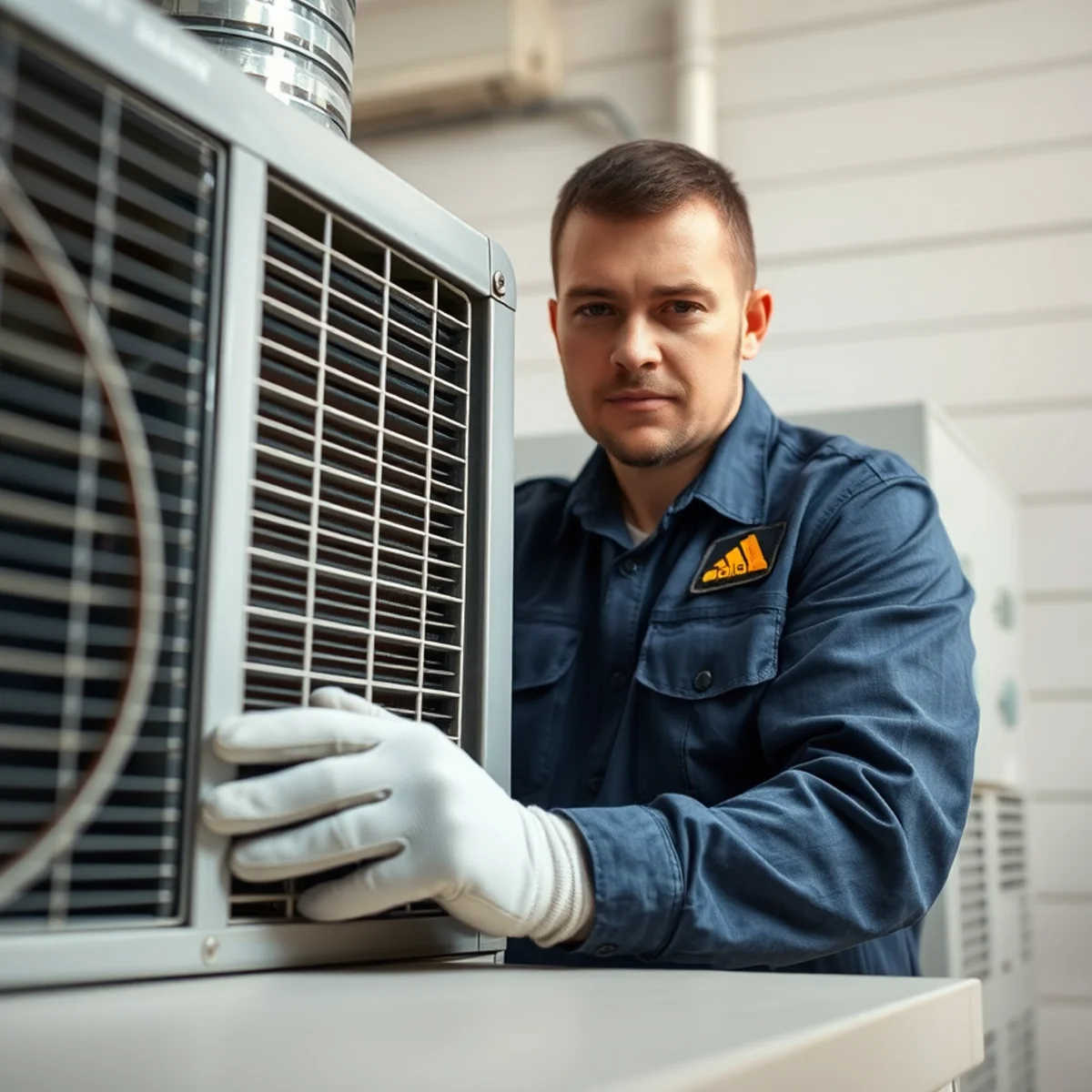
What Our Evaporator Coil Repair & Replacement Includes
- Full diagnostic of the evaporator coil and refrigerant system
- Leak detection and refrigerant charge check
- Inspection of the coil's condition and corrosion
- Honest repair-versus-replace guidance based on system age
- Clear, up-front pricing on your options
- Coil repair or replacement and full cooling verification
Why Choose Flaming Ice
- Straight answers on repair versus replacement, no sales pitch
- We chase down refrigerant leaks instead of just topping off
- Owner-operated team that understands NC humidity control
- Honest pricing and a text before we arrive
Owner-Operated Care
You deal with Travis and an accountable local team on every job.
Same-Day & 24/7
Fast same-day and weekend emergency service when comfort can't wait.
Honest, No-Upsell
Clear options and fair pricing — backed by 71 local reviews.
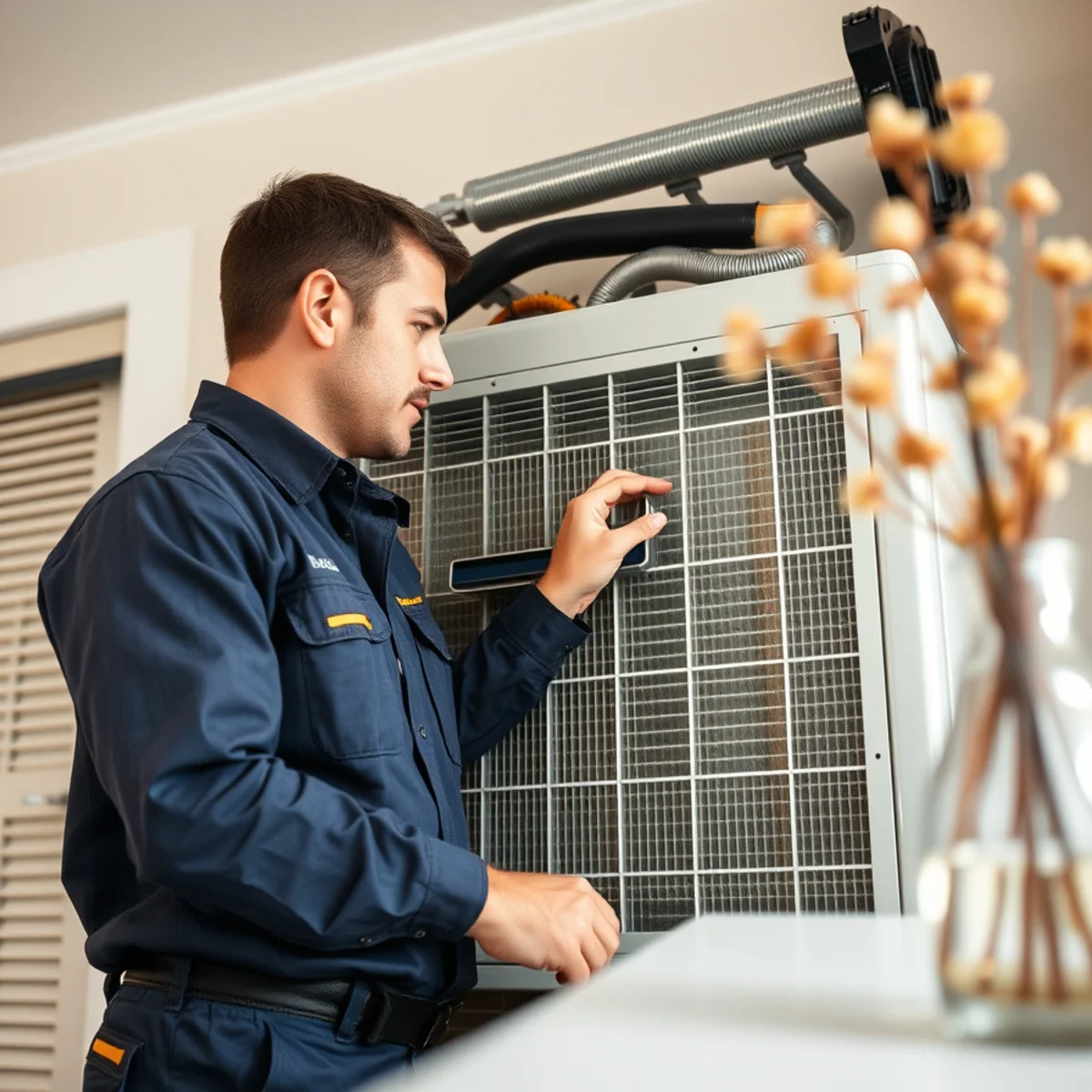
How Our Evaporator Coil Repair & Replacement Works
- 1Honest diagnosisWe inspect your system and pinpoint the real cause — no guesswork.
- 2Clear options & upfront priceYou see your options in plain English and approve the price before we start.
- 3Clean, careful workWe complete the approved evaporator coil repair & replacement and treat your home with care.
- 4Tested before we leaveWe verify comfort, airflow, and performance, then walk you through it.
Our No-Surprise Pricing Promise
HVAC pricing shouldn't be a mystery. We explain what's going on, lay out your options in plain English, and get your approval before we touch a thing — so the price we quote is the price you pay.
Get an Honest Quote- A clear diagnosis before any work begins
- Upfront, written options — you approve the price first
- No hidden fees and no high-pressure upsells
- Honest repair-vs-replace advice for your budget
Related Services
AC Repair
Fast, honest air conditioning repair when your system blows warm air or quits in the NC heat.
Learn MoreRefrigerant & Freon Service
Refrigerant leak diagnosis and recharge done right — we find the cause, not just top it off and leave.
Learn MoreCondenser Repair & Replacement
Repairing or replacing the outdoor unit that releases your home's heat — the workhorse of your AC in NC summers.
Learn MoreEvaporator Coil Repair & Replacement Across North Carolina
We bring this service to Clayton and communities throughout the state.
Evaporator Coil Repair & Replacement FAQs
The most common signs are weak or warm airflow, an AC that runs constantly without cooling, rising power bills, a clammy feeling indoors, ice on the indoor unit or copper line, or a faint hissing sound from a refrigerant leak. Because these symptoms overlap with other problems, the only sure way to confirm a coil issue is a proper diagnosis. We measure refrigerant pressures and pinpoint leaks before telling you the coil is the cause.
It sounds backward, but a coil freezes when it can't cool properly. Low refrigerant from a leak or restricted airflow from a dirty filter, dirty coil, weak blower, or blocked vents makes the coil too cold, and North Carolina's humid air condenses on it and freezes. The ice then blocks airflow and makes it worse. Turn the system off, let it thaw fully, and call us, running a frozen system can damage the compressor.
It depends on the leak. A single, accessible leak can sometimes be repaired. But most coil leaks come from formicary corrosion, which creates clusters of tiny pinholes that are very hard to patch reliably, so a repaired coil often leaks again within a season. We give you an honest assessment of whether a repair is worth the gamble or whether replacing the coil is the better long-term value.
If your system is relatively young and in good shape, replacing just the coil is often the cost-effective choice. If your AC is roughly 10 to 15 years old, a major coil failure is a good moment to weigh a full replacement. The 2026 shift from R-410A to newer R-454B refrigerant also matters, since you generally can't pair a new-refrigerant coil with an old-refrigerant condenser. We walk you through it with no pressure.
Most coil replacements are completed in a single visit and take several hours. We recover the old refrigerant, remove the failed coil, braze in a new matched coil, pull a deep vacuum to remove moisture and air, recharge the system to spec, and verify performance before we leave. We text before we arrive so you know exactly when to expect us.
We don't post a flat price because the right number depends on your specific system: the coil type and size, how much refrigerant it holds, whether your system uses older or newer refrigerant, how accessible the indoor unit is, and whether related parts need attention. With Flaming Ice you get honest, upfront pricing, you'll see the number and the reasoning before any work begins, with no surprise upsells. Call (327) 210-5999 for a straight answer.
It depends on the coil's condition and your system's age. A small, accessible leak on a newer system may be repairable, but coils with widespread corrosion or repeated leaks usually need replacement. And if the system is old and uses outdated refrigerant, replacing the whole system can be the smarter value. We'll show you honest numbers so you can decide without pressure.
A frozen coil usually comes from restricted airflow — a dirty filter, weak blower, or blocked ducts — or from low refrigerant due to a leak. Running the AC with a frozen coil can damage the compressor, so it's worth diagnosing promptly. We find the root cause rather than just thawing it and sending you on your way.
Ready for Evaporator Coil Repair & Replacement?
Call Flaming Ice Heating & Cooling for evaporator coil repair & replacement in Clayton, NC and across North Carolina.